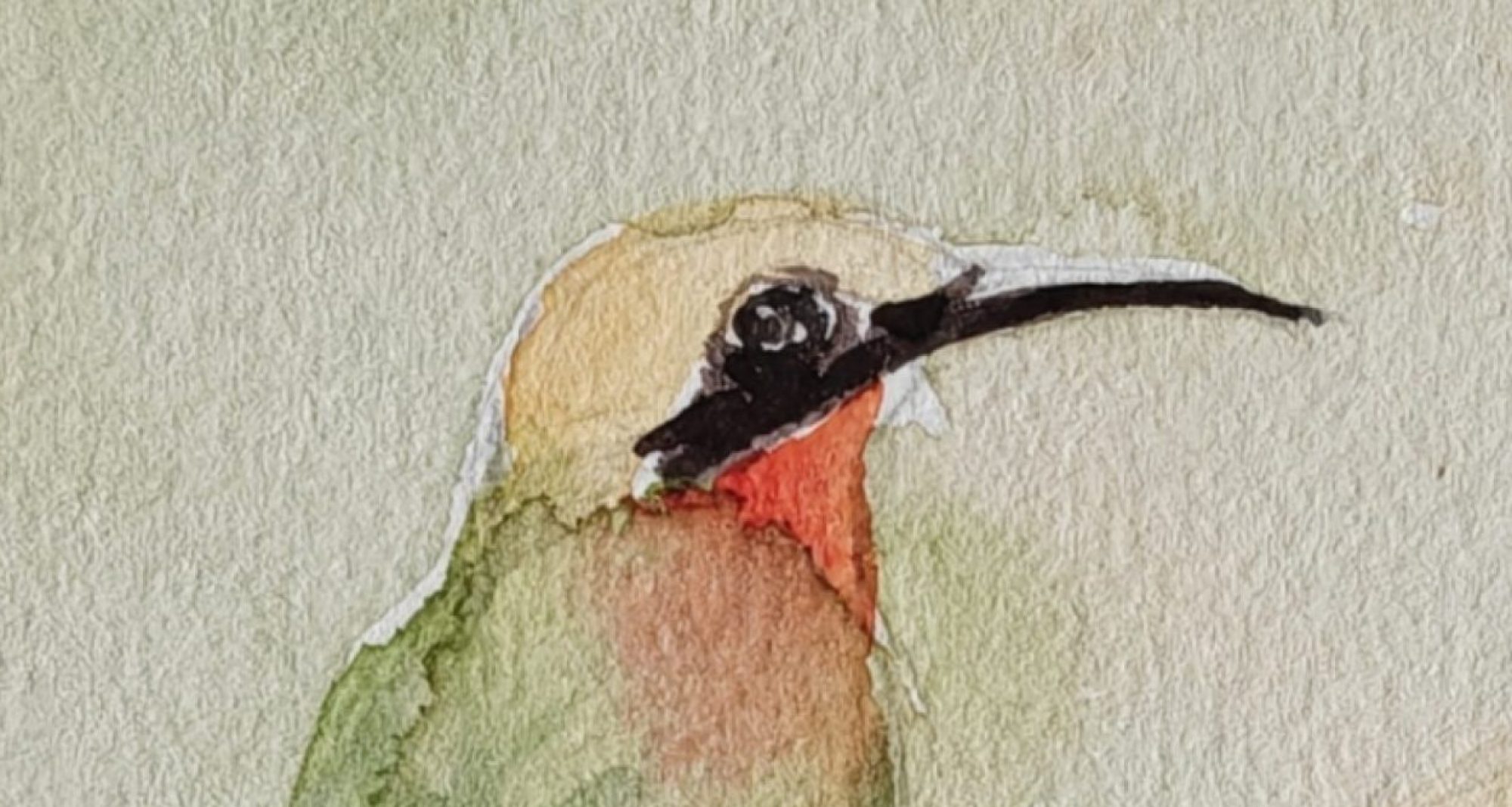


అరుణగిరి దర్శనం
2
పెద్ద అయస్కాంతం
2008లో ద్రావిడ విశ్వవిద్యాలయ వైస్ ఛాన్సలర్ గంగిశెట్టి లక్ష్మీనారాయణగారు తమ విశ్వవిద్యాలయంలో ఆర్.ఎస్. సుదర్శనం స్మారక ప్రసంగపరంపర ఏర్పాటు చేస్తున్నామని, అందులో మొదటి ప్రసంగం నన్ను చేయమని ఆహ్వానించారు.
నేను ఆ ప్రసంగానికి వెళ్తూ, కారుమీద చెన్నై దాకా సకుటుంబంగా వెళ్లాను. చెన్నై నుంచి మదనపల్లె వెళ్లబోయే ముందురోజు తిరువణ్ణామలైకి కూడా వెళ్దామనిపించింది. చెన్నైనుంచి తిరువణ్ణామలై చాలా దగ్గర అని, గంట కంటే ఎక్కువ ప్రయాణం ఉండదని అనడంతో ముందురోజు బయలుదేరడమే చాలా ఆలస్యంగా బయలుదేరాం. మేము చెన్నై వదిలేటప్పటికే సాయంకాలం ఏడుగంటలు దాటింది. దారిలోనే ఎక్కడో రాత్రి భోజనం కూడా చేసేటప్పటికి మరింత ఆలస్యమైపోయింది. ప్రయాణం చాలాసేపే పట్టింది. సగం దూరం వెళ్లామోలేదో ఆకాశమంతా మబ్బు పట్టింది. మామూలుగా వేసవికాలాల్లో సాయంకాలంపూట కురిసి పోయే వసంతకాలపు జల్లులా కాకుండా ఉరుములతో, మెరుపులతో పెద్ద గాలివాన ముంచెత్తింది. ఆ వర్షంలో ప్రయాణం మరింత ఆలస్యమైంది. దారి పొడుగునా ఆ చీకట్లో అస్పష్టంగా కనవస్తున్న ప్రతి ఊరినీ చూస్తూ ఇదే తిరువణ్ణామలై అనుకుంటూ ఉన్నాను. అడుగడుగునా మెరుపులు ఆకాశాన్ని వెలిగిస్తూ ఉన్నాయి. మేము తిరువణ్ణామలై చేరేటప్పటికి అర్ధరాత్రి అయింది.
అక్కడ మాకు రాత్రి బస ఏర్పాటు చేయడంకోసం చిత్తూరునుంచి ఒక మనిషి వచ్చి ఎదురుచూస్తున్నాడు. నాకసలు తిరువణ్ణామలై ఎలా ఉంటుందో తెలియనందువల్ల నా ఆలోచనలకు కూడా ఒక రూపం లేదు. మాకు రమణమహర్షి ఆశ్రమంలోనే ఒక బస దొరుకుతుందనీ, మేము ఆ ఆశ్రమం దగ్గరే రాత్రి గడుపుతామని అస్పష్టంగా ఒక ఆలోచన. కానీ మాకోసం వచ్చిన మనిషి మాకు గుడి దగ్గర ఒక హోటల్లో గది ఏర్పాటు చేశాడు.
ఆ చీకట్లో మేము గుడి ఎదుట ఆగనప్పుడు ఆ రాత్రి ఆ దేవాలయప్రాకారం, గోపురాలు కనబడగానే అసలక్కడ అంత పెద్ద గుడి ఉండడం చూసి నాకు ఆశ్చర్యమనిపించింది. నా ఊహల్లో అప్పటిదాకా ఆ గుడి గురించి అటువంటి చిత్రమేదీ లేదు. ఆ రాత్రి పెద్దవానే పడటంతో ఆ హోటల్ ఉన్న బజారంతా మురిగ్గా చీదరగా ఉంది. ఆ హోటల్ గది విశాలంగా, సౌకర్యంగానే ఉన్నప్పటికీ నాకు ఎందుకో ఆ రాత్రంతా ఆ గదిలో ఊపిరాడలేదు. ఒక్కక్షణం కూడా నిద్రపట్టలేదు. ఆ పరుపులమీద పడుకోబోతే ఒళ్లంతా గుచ్చుకుంటున్నట్టుంది. అంతకన్నా ఆ దేవాలయ మంటపంలోనే ఎక్కడైనా పడుకుంటే బావుండేదేమోననిపించింది. ఎప్పుడు తెల్లవారుతుందా అనే క్షణక్షణం ఎదురుచూస్తూ గడిపాను.
తెల్లతెల్లవారుతుండగానే మేమంతా తొందరతొందరగా స్నానంచేసి బయటికొచ్చాం. మాకోసం వచ్చిన పెద్దమనిషి మమ్మల్ని ‘గుడికి వెళ్దాం రండి’ అని పిలిచాడు. నేనతనితో ‘రమణాశ్రమం ఎక్కడ?’ అని అడిగాను. నా దృష్టి అంతా రమణాశ్రమం మీదా, అక్కడే ఎక్కడో దగ్గర్లో ఉంటుందనుకునే చలంగారి ఆశ్రమంమీదా ఉంది. గుడి నా దృష్టిలో లేనేలేదు. కానీ ఆ పెద్దమనిషి ‘ముందు మనం గుడికి వెళ్లొచ్చాక తక్కినచోట్లకి వెళ్దాం’ అన్నాడు.
మేము బయటకు అడుగుపెట్టగానే మా ఎదురుగుండా సమున్నత గోపురాలతో, మహాప్రాకారంతో దేవాలయం దర్శనమిచ్చింది. ఆ ముందు రాత్రి కనబడ్డ ఆ చోటుకీ, పొద్దున కనిపిస్తున్న ఆ చోటుకీ మధ్య ఎటువంటి పోలికా లేదు. ఆ దేవాలయాన్ని ఎవరో శుభ్రంగా తుడిచి పొద్దున్నే అక్కడ పెట్టినట్టుగా ఉంది. మేము నేరుగా దేవాలయంలో అడుగుపెట్టాం. అప్పుడప్పుడే తొలి సూర్యకిరణాలు దేవాలయంలో వాలుతున్నాయి. గుళ్లో పెద్దగా యాత్రికులెవరూ లేరు. దాంతో ప్రతి తలుపూ మాకోసమే తెరిచిఉన్నట్లుగా మేము ఒక్కొక్క ప్రాకారం దాటుకుంటూ నేరుగా అరుణాచలేశ్వరుడి గర్భగుడిలోకి వెళ్లాం. పూజారులు మాకోసం ప్రత్యేకంగా అర్చన చేసి హారతి ఇచ్చారు. మేము గర్భగుడి నుంచి బయటికి వచ్చి దేవాలయప్రాంగణంలో నడుస్తూ, అప్పుడు చూశాం –
అరుణాచలాన్ని!
దేవాలయం వెనగా ఆకాశంలోకి, రీతిగా తలెత్తుకుని మమ్మల్నే చూస్తున్నట్లుగా ఉందా అరుణగిరి. ఆ కొండ పైన పడుతున్న పొద్దుటి సూర్యకాంతిలో ఆ శిఖరం శిఖరమంతా బంగారు తాపడం చేసినట్లుగా ఉంది. నేను చాలాసేపు ఆ శిఖరాన్నట్లా తదేకంగా చూస్తూండిపోయాను. ఆ సమయంలో రమణమహర్షి, చలంగారూ, చివరికి మేము అప్పుడే దర్శనం చేసుకున్న అరుణాచలేశ్వరుడు కూడా నాకు గుర్తుకురాలేదు. ఆ శిఖరాన్ని అట్లా చూస్తున్నకొద్దీ నాలోపల నా జ్ఞాపకాలలోపల ఎన్నో పొరలకిందనుంచి, ఎన్నో వాసనల, సంస్కారాల తెరలు తప్పించుకుంటూ నెమ్మదిగా ఒక మహాశిఖరం తలెత్తుతున్నట్లుగా అనుభవమైంది. నేనిక్కడికి వచ్చింది ఈ శిఖరాన్ని చూడటంకోసమే, అసలు నన్ను చూడటంకోసమే ఈ శిఖరం నన్నిక్కడికి రప్పించుకుందని నాకు హఠాత్తుగా స్ఫురించింది.
గత పాతిక ఏళ్లుగా నేను చదువుతూ వచ్చిన రమణసాహిత్యంలో, చలంసాహిత్యంలో ఎక్కడెక్కడ, ఎప్పుడెప్పుడు ఈ శిఖరసందర్శనం గురించి చదివానో, ఏ వాక్యాల్ని చదివికూడా దాటుకుంటూ పోయానో, పట్టించుకోకుండా పక్కకు నెట్టుకుంటూ పోయానో ఆ వాక్యాలన్నీ అంతదాకా చెదురుముదురుగా ఉన్నవన్నీ ఆ గిరిశిఖరరూపంగా మళ్లీ నా కళ్లముందు ప్రత్యక్షమయ్యాయి.
చలంగారికి రమణమహర్షి ఒక అయస్కాంతమైతే, రమణమహర్షికి ఈ అరుణాచలమే ఒక అయస్కాంతమని అర్థమైంది. అనాదికాలంనుంచీ ఈ అయస్కాంతం ఎంతో మంది సాధకుల్ని, కవుల్ని, సిద్ధుల్ని, తపస్సుల్ని తన దగ్గరకు లాక్కుంటూనే ఉందనీ, ఒక మహాకవి పరంపర తెలుగు, తమిళం, సంస్కృతం, ఇంగ్లీషు, ఫ్రెంచి లాంటి భాషల్లో ఈ శిఖరసంకీర్తన చేస్తూనే ఉందనీ కూడా అర్థమైంది.
ఆ వైశాఖమాసపు ప్రత్యూషవేళ ఆ ప్రాంగణమంతా చల్లని కమ్మతెమ్మెరలు వీస్తూ ఉన్నాయి. మా ఎదురుగానున్న అరుణగిరి జ్వలిస్తున్న బంగారంలాగా ఉంది. ఆ కరుగుతున్న పసిడిమీంచి తీపిగాలులు వీస్తున్నట్లుంది. ఆ ప్రాంగణంలో తిరుగుతూ ఆ అగ్నిపర్వతాన్ని చూస్తూ ఆ ప్రత్యూష పవనాల్లో నేను నిలువెల్లా తడిసిపోయాను. ఆ అనుభవాన్ని నిజంగా మాటల్లో పెట్టడం అసాధ్యం. ఆ క్షణాన నాకు కలిగిన అనుభూతి మొదలు ఎక్కడో, దాని తుది ఎంతదాకా విస్తరించిందో నా ఊహకు అందలేదు. అసలు అరుణగిరి ఆవిర్భావ వృత్తాంతమే అది. శివలింగోద్భవవేళ ఆ స్వరూప ఆద్యంతాలు తెలుసుకోవడం కోసం బ్రహ్మ, విష్ణువులు ఆకాశంలోనూ, పాతాళంలోనూ ఎంతో దూరం ప్రయాణించారు. కానీ వాళ్లకు దాని స్వరూపమేమిటో, ఆ మహాస్తిత్వం ఎక్కడ మొదలయ్యిందో, ఎక్కడదాకా పరచుకుని ఉందో తెలియరాలేదు. ఆ రోజు నా పరిస్థితి కూడా అంతే. ఆ దేవాలయం గురించి ఎప్పుడో, ఎక్కడో, ఏ అతీతకాలంలోనో నేను విన్నాను. ఆ స్ఫురణ నిన్న ఉంది, నేడు ఉంది, రేపు కూడా ఉంటుంది. ఆ శిఖరం నేనా రోజే కొత్తగా చూస్తున్నట్లుగా అనిపించలేదు. అది నాకెంతోకాలంగా తెలిసిందేనని, నేను అప్పటికే ఎన్నోసార్లుగా దాన్ని చూస్తున్నట్లే ఆ రోజు కూడా చూస్తున్నానని అనుకున్నాను.
నేను చలం సాహిత్యం చదివి ఆయనని రమణమహర్షి ఒక అయస్కాంతంలాగా ఆకర్షించారని తెలుసుకున్నాను. రమణమహర్షి జీవితచరిత్ర చదివి ఆయనని ఈ అరుణాచలం ఒక అయస్కాంతంగా ఆకర్షించిందని కూడా తెలుసుకున్నాను. కానీ ఈ అయస్కాంతం ఇంత పెద్ద అయస్కాంతమని, ఇది నాలాంటివాణ్ణి కూడా తనవైపు బలంగా లాక్కుంటున్నదని ఇప్పుడే తెలుసుకుంటున్నాను.
ఆశ్రమంలో ఆసుపత్రిలో డాక్టరుగా పనిచేసిన డా. టి.ఎన్. కృష్ణస్వామి మహర్షితో తన జ్ఞాపకాలు నెమరువేస్తూ ఒకచోట ఇలా రాశాడు:
ఒకనాడు కొండపైకి ఎక్కుతుండగా మహర్షి దారిలో ఉన్న ఒక చిన్న మెరుస్తున్న రాతిబెడ్డను తీసుకుని నాకు చూపిస్తూ ‘విదేశాలనుంచి ఎవరో ఈ కొండమీద ఉన్న పవిత్రప్రదేశం నుంచి ఒక రాయి తీసి తనకు పంపించమని రాశారు. ఈ కొండంతా కూడా పరమపవిత్రమైందని అతడికి తెలీదు. ఈ కొండ సాక్షాత్తూ శివుడే. మనం మన దేహంతో తాదాత్మ్యం చెందినట్లే శివుడు కూడా ఈ కొండతో తాదాత్మ్యం చెందాడు. కొండ సమీపంలో నివసించడంవల్ల సాధకునికి సహాయమూ, మార్గదర్శకత్వమూ దొరుకుతాయి’ అని అన్నారు.
నేనుకూడా జీవితమంతా కొండల్ని చూస్తూ, కొండలచెంతనే జీవిస్తూ, కొండల్ని ప్రేమిస్తూ గడిపినవాణ్ణే. ఎన్నో గిరులూ, గిరినివాసాలూ, నేను చూసిన, తిరిగిన ఎన్నో గిరిశ్రేణులు ఆ రోజు అరుణాచలం ఎదుట నిలబడ్డప్పుడు అవన్నీ తిరిగి అరుణగిరిగా మూర్తీభవించి నాతో మాట్లాడుతున్నాయా అనిపించింది. కానీ నేను కొండల్ని చూస్తూ వచ్చిన తీరు వేరు, రమణమహర్షి అరుణాచలాన్ని చూసిన తీరు వేరు.
అరుణాచల వైభవాన్ని, అరుణాచలతత్త్వాన్ని కీర్తిస్తూ భగవాన్ అక్షరమణమాలై, అరుణాచలాష్టకం, అరుణాచలపంచరత్నాలు రాశారు. అందులో అరుణాచలపంచరత్నాల్లో ‘త్వయ్యరుణాచలసర్వమ్’ అన్న శ్లోకానికి అర్థమేమిటని ఒక శిష్యుడు అడిగినప్పుడు ఆయన ఇట్లా చెప్పారు:
‘ఈ ప్రపంచం సినిమా తెరమీద కదిలే చిత్రంలాంటిది. అరుణాచలమే ఆ తెర. ఉబుకుతూ ఉడుకుతూ ఉండేది. అది దేన్నుంచి పైకి వస్తున్నదో ఆ ద్రవ్యంతో నిర్మితమై ఉంటుంది. అరుణాచలేశుడు ఈ విశ్వం తాలూకు అవికల్పరూపం. ఆయననుగానీ, ఆత్మనుగానీ ధ్యానం చేస్తుంటే సకలారంభాలకూ మూలమైన అహంస్ఫూర్తి కలుగుతుంది. దాని మూలాన్ని అన్వేషిస్తే ఆద్యమైన అహమహం ఒక్కటే మిగులుతుంది. దాన్ని మాటలతో చెప్పలేం. అనుభవస్థానం లోపల ఉంది. అన్వేషించేవాడు దాన్ని బయట చూడలేడు. ఆ స్థానం ఆనందానికి, సమస్తానికి మూలకందం. అందుకే దాన్ని హృదయమన్నారు. లోపలికి చూపు సారిస్తూ దాన్ని కనుక్కోవడం ఒక్కటే మన పుట్టుకకు ఉన్న ఏకైక ప్రయోజనం. అంతకుమించి చేయవలసిందేమీ లేదు.’
నా జీవితం పొడుగుతా, నేనెన్నో కొండల ఎదుట నిలబడ్డప్పుడు అవి నాకు సౌందర్యస్వరూపాలుగా గోచరిస్తూ వచ్చాయి. కానీ రమణమహర్షికి అరుణాచలం సాక్షాత్తూ శివస్వరూపంగా గోచరించింది. కానీ ఇందులోకూడా ఎంతోకొంత ద్వైతం లేదా? అరుణాచలం పట్ల రమణమహర్షికున్న ఈ గాఢానుభూతి ఆయన ప్రతిపాదించే ఆత్మతత్త్వానికి వ్యతిరేకమైందా? ‘ఉన్నదొక్కటే, మరొకటి లేదు’ అని చెప్పే మనిషి బయట ఉండే అరుణగిరిని ఇట్లా స్తుతించడం దేనికి గుర్తు? అలహాబాదు విశ్వవిద్యాలయంలో తత్త్వశాస్త్ర ఆచార్యుడుగా పనిచేసిన ప్రొ. సయ్యద్ ఎమ్. హఫీజ్ ఒకరోజు మహర్షిని ఈ ప్రశ్నే అడిగారు.
ప్రొ. సయ్యద్ : నేను స్తుతిపంచకం చదువుతున్నాను. అన్నీ అరుణాచలుణ్ణి సంబోధిస్తున్నాయి. తమరేమో అద్వైతులు. దేవుడు వేరే ఉన్నట్లుగా ఎలా స్తుతించారు?
మహర్షి : భక్తుడూ, దైవమూ, ప్రార్థనలూ అన్నీ ఆత్మనే.
ప్రొ. సయ్యద్ : కానీ తమరు దైవాన్ని సంబోధించారు. అరుణాచలాన్ని స్పష్టంగా దైవమంటూ వర్ణించారు.
మహర్షి : నువ్వేమో ఆత్మని దేహంగా భావించవచ్చుగానీ భక్తుడు ఆత్మని అరుణాచలంగా భావించకూడదా?
ప్రొ. సయ్యద్ : అరుణాచలుడే ఆత్మ అయితే, కొండలు ఎన్ని లేవు? అరుణాచలాన్నే ప్రత్యేకంగా ఎందుకు ఎన్నుకోవాలి? దాన్ని అరుణాచలుడని ఎందుకు సూచించాలి?
మహర్షి : అలహాబాదు నుంచి ఇక్కడకు నిన్ను ఆకర్షించిందెవరు?
ప్రొ. సయ్యద్ : భగవాన్.
మహర్షి : నన్ను ఇక్కడికి తీసుకొచ్చిందెవరు? అరుణాచలం. ఆ శక్తిని కాదనలేం. కానీ గుర్తుంచుకోవాల్సింది అరుణగిరి ఉన్నది లోపలే, బయటకాదు. ఆత్మనే అరుణాచలుడు.
సంభాషణ రామకృష్ణ పరమహంసకూ, ఈశ్వరచంద్ర విద్యాసాగర్కూ మధ్య జరిగిన సంభాషణని గుర్తుకుతెస్తోంది. విద్యాసాగరుడు రామకృష్ణుణ్ణి భగవంతుడు ఈ ప్రపంచంలో కొంతమందిలో ఎక్కువశక్తినీ కొంతమందిలో తక్కువశక్తినీ నిక్షిప్తం చేశాడా అని అడిగితే పరమహంస ‘అందరిలోనూ ఉన్న ఆ దివ్యశక్తి ఒక్కటే, ఆయన చీమలో కూడా ఉన్నాడు. కానీ ఆ దివ్యశక్తి ప్రకటన వేరువేరు అస్తిత్వాల్లో వేరువేరు విధాలుగా ఉంటుంది… ఎందుకింతమంది మనుషులు నిన్ను చూడడానికి వస్తున్నారు? నీ నెత్తిమీద ఏమైనా రెండు కొమ్ములు మొలిచాయా?’ అని అన్నారు (ది గాస్పెల్ ఆఫ్ శ్రీరామకృష్ణ, 2003, పే. 104).
భగవద్విభూతి అరుణాచలంలో పరమోత్కృష్టంగా ప్రకటమవుతోందన్నది మాత్రం సత్యం. అది అనాదికాలం నుంచి ఎందరో రుషులకీ, కవులకీ అనుభవంలోకి వస్తున్నట్లే, రమణమహర్షికి అనుభవంలోకి వచ్చింది. అటువంటి అనుభవమేదో ఎంతోకొంత ఆ క్షణాన నాకు కూడా అనుభవమైంది. ఇది దేశకాలాతీత సంస్కారం అనడానికి విదేశీయులు కూడా ఈ అనుభవానికి లోను కావడమే నిదర్శనం.
మైఖేల్ మియోవిచ్ అనే అమెరికన్ మేధావి మా రావెల సోమయ్యగారి కుటుంబ సభ్యుడయ్యాడు. ఆయన భారతదేశంతో తనకు జన్మజన్మల అనుబంధముందని నమ్మే భావుకుడు. తన భారతదేశ సందర్శనానుభవాల్ని ఇనిషియేషన్ (2004) పేరిట పుస్తకరూపంగా తెచ్చాడు. ఆ పుస్తకావిష్కరణ సభలో నేను కూడా ఆ పుస్తకం గురించి మాట్లాడాను. అందులో ఆ యువకుడు శాంతినికేతనం, పాండిచ్చేరి, తిరువణ్ణామలై, పుట్టపర్తి వంటి చోట్లకు వెళ్లినప్పటి అనుభవాలు రాసుకొచ్చాడు. తిరువణ్ణామలై గురించి రాస్తూ, అరుణాచలం గురించి ఇలా రాశాడు:
ఆ సాయంకాలం చాలా పొద్దుపోయాక నేను స్నానం చేసి హోటల్ మేడమీదకు పోయి నిల్చున్నాను. ఆ రాత్రి గాలి చాలా చల్లగా ఉంది. నా తడిదేహానికి ఆ గాలి మరింత చల్లగా సోకుతోంది. ఆ చీకట్లో నేను నా ఎదుటనున్న పర్వతం వైపు చూశాను. చుట్టూ నల్లగా మెరుస్తున్న ఆకాశం. హఠాత్తుగా నాకా పర్వతం ఒక అద్భుతశక్తిని దేన్నో విరజిమ్ముతున్నట్లుగా, వెలుగు చిమ్ముతున్నట్లుగా అనిపించింది. నేను లోపలికి వెళ్ళి దుస్తులు మార్చుకుని మళ్లీ వచ్చి ఒక కుర్చీ తెచ్చుకుని, ఆ నక్షత్రరహిత ఆకాశం కింద, నా కళ్లముందు గోచరిస్తున్న ఆ మహారహస్యాన్ని అర్థంచేసుకోవడానికి ప్రయత్నించాను. ఆ కొండ ఒక మహాఅయస్కాంతంలాగా నన్ను ఏకకాలంలో తనవైపూ, నాలోకి కూడా నన్ను లాక్కోడానికి ప్రయత్నిస్తోంది. అదంతా నాకొక సరికొత్త సంవేదన. నేను శ్రీ అరవిందుల, శ్రీ మాతల సమాధి దగ్గర పొందిన సంచలనంతో పోలిస్తే ఇదేదో భౌతికాతీత సూక్ష్మసంవేదనగా గోచరించింది. ఆ కొండ నా దేహాన్ని తనవైపు లాక్కుంటున్నట్లుగా అనిపిస్తున్నప్పటికీ ఆ సంవేదన కాలానికీ, దేశానికీ అతీతంగా స్ఫురిస్తున్నట్లుగా అనిపించింది. ఆ పర్వతం స్వయంగా ఒక చైతన్యస్వరూపంగా, నిర్మలంగా, ప్రకాశవంతంగా అనిపించింది. తనున్నచోటే ఒక కేంద్రరహితక్షేత్రం మధ్యలో నిలబడి ఆ పర్వతం శాశ్వతంగా ఎగిసిపడుతున్నట్లుగా అనిపించింది. ఆ అగోచర అర్ధరాత్రి కాంతిలో నేనట్లా ఎంతసేపు తడిసి ముద్దయిపోయానో నాకే తెలియదు. (పే. 31)
ఈ మాటలు యుగయుగాలుగా అరుణాచల సందర్శకులంతా అంటూవస్తున్న మాటలే. అసలు అణ్ణామలై అంటేనే అందని కొండ. ప్రాచీన తమిళ మహాకవులు నక్కీరర్, అప్పర్, జ్ఞానసంబంధర్, సుందరర్, మాణిక్యవాచకర్, అరుణగిరినాథర్ మొదలుకొని రమణమహర్షి, చలం వంటి వారెందరో ఈ గిరి ఎదుట ఇలాగే నిలబడి ఇలాగే అనుభూతి చెందారు. అక్కడితో ఆగకుండా తమ పారవశ్యాన్ని కవిత్వంగా మార్చి వెళ్లిపోయారు. ఈ రోజు ఆ కవితలు వారి అనుభవానికి ఆనవాళ్లుగా మాత్రమే కాకుండా, నా అనుభవానికి కూడా అద్దంపడుతున్నాయి.
Beholding Arunachala
2
The Great Magnet
In 2008, Prof. Gangisetty Lakshminarayana, the Vice-Chancellor of Dravidian University, invited me to deliver the inaugural lecture in the newly instituted R.S. Sudarshanam Memorial Lecture Series at their university.
Traveling to give that lecture, I drove down to Chennai along with my family. A day before proceeding from Chennai toward Madanapalle, the urge arose to visit Tiruvannamalai as well. Having been told that Tiruvannamalai was very close to Chennai and that the journey would take no more than an hour or so, we set out quite late in the evening. By the time we cleared the city limits of Chennai, it was already past seven. Having stopped along the way for dinner, we were delayed even further. The journey dragged on. We had barely covered half the distance when the sky grew heavily overcast. Instead of a passing vernal shower typical of summer twilights, a violent storm accompanied by fierce winds, thunder, and lightning overtook us. Traveling through that torrential downpour delayed us considerably. All along the way, peering into the indistinct outlines of every passing town swallowed by the dark, I kept wondering whether this was Tiruvannamalai. Flashes of lightning lit up the expanse of the sky at every turn. When we finally arrived in Tiruvannamalai, it was already midnight.
A gentleman had traveled down from Chittoor to arrange our overnight stay and was waiting for us. Never having known what Tiruvannamalai was like, my thoughts lacked any concrete shape. I had a vague impression that we would secure lodging right inside Sri Ramanasramam and spend the night close to its precincts. But the gentleman who received us had booked a room in a lodge near the main temple.
When our car pulled up before the temple in that pitch darkness, the sight of the colossal enclosure wall (prakaram) and soaring gopurams caught me by utter surprise—I had no idea so monumental a temple existed there. In my imagination until then, I held no such picture of the shrine. Because of the torrential rain that night, the bazaar where the hotel stood was thoroughly muddy and squalid. Although the room was spacious and comfortable enough, for some reason I felt suffocated throughout the night. I could not sleep for a single moment. Whenever I tried lying on that mattress, it felt as though needles were pricking all over my body. It seemed far better to have curled up and slept somewhere in an open pillared mandapam of the temple instead. I spent the entire night watching the clock, waiting anxiously for the dawn to break.
At the very first light of dawn, we bathed quickly and stepped outside. The gentleman who received us called out, “Come, let us go to the temple.”
I asked him, “Where is Ramanasramam?”
My entire mind was set on Ramanasramam, and on Chalam’s ashram which I presumed lay somewhere close beside it. The temple was not on my mental map at all. But he insisted, “Let us first visit the temple; we can visit the other places afterward.”
The moment we stepped out into the open, the temple revealed itself right before our eyes, crowned with towering gopurams and an immense stone wall. There was no resemblance whatsoever between that place as it appeared in the dark of the previous night and the sight greeting us in the morning. It felt as though someone had washed and swept the entire temple clean and set it down there fresh at dawn. We stepped straight into the temple precincts. The early sunbeams were just beginning to slant across the courtyards. There were hardly any pilgrims around. As though every door had been thrown open exclusively for us, we crossed one enclosure after another and walked straight into the inner sanctum of Lord Arunachaleswara. The priests performed an archana for us and offered the harati.
Stepping out of the sanctum and walking through the temple courtyard, we looked up—and then we saw it:
Arunachala!
Rising majestically behind the temple straight into the sky, Arunagiri stood with its head held high, looking as though it were gazing right at us. Bathed in the morning sun, the entire peak appeared plated in shimmering gold. I stood rooted to the spot for a long while, staring transfixed at that summit. At that moment, Ramana Maharshi, Chalam, and even the Lord Arunachaleswara we had just worshipped in the sanctum vanished from my thoughts. As I kept gazing upon that peak, I felt a deep inner experience—as if from beneath countless strata of memory, slipping past veils of latent impressions (vasanas) and past conditioning (samskaras), a colossal summit was quietly raising its head inside me. A sudden realization struck me: I have come here only to behold this peak; rather, this peak has drawn me here solely to look upon me.
Across the past twenty-five years, in all the literature of Ramana and Chalam I had pored over, all the scattered descriptions of beholding this summit—sentences I had once read and passed over, or brushed aside without heed—all of them coalesced and manifested before my eyes in the physical form of this holy mountain peak.
I realized then that if Ramana Maharshi was a magnet for Chalam, this very Arunachala was the great magnet for Ramana Maharshi. Since time immemorial, this magnet has relentlessly pulled countless seekers, poets, siddhas, and ascetics to itself. I understood, too, that an illustrious lineage of great poets has sung the glory of this summit across languages—in Telugu, Tamil, Sanskrit, English, and French.
In that dawn of the Vaishakha month, cool and fragrant breezes wafted across the temple courtyards. Before us, Arunagiri stood like molten, blazing gold. It felt as though sweet winds were blowing across that liquefying gold. Walking about those courtyards, beholding that mountain of fire and breathing the early morning air, my entire being was drenched in awe. It is truly impossible to put that experience into words. Where the feeling that seized me at that instant began, and how far its boundary extended, was beyond the grasp of my imagination.
Indeed, that is the very legend of Arunagiri’s primordial manifestation. At the dawn of the Lingodbhava, Brahma and Vishnu journeyed far into the heavens and down into the netherworld to discover the summit and base of that pillar of fire. Yet they could neither fathom its true nature nor discern where that colossal existence began or where it reached. My state that morning was no different. I had heard of this sacred sanctuary somewhere, at some point, in some timeless age. That remembrance existed yesterday, it exists today, and it will exist tomorrow. It did not feel as though I was beholding that peak for the first time that day. It felt intimately known to me since antiquity—as though I were merely seeing it again, just as I had seen it countless times before.
From reading Chalam’s literature, I had learned how Ramana Maharshi drew him like a magnet. From reading Ramana Maharshi’s life, I had learned how this Arunachala drew the Maharshi like a magnet. But only now did I realize what an immense magnet this truly was, and how powerfully it was pulling someone like me to itself.
Recalling his memories with the Maharshi, Dr. T.N. Krishnaswami, who served as a physician at the ashram dispensary, wrote:
One day when walking up the Hill with Bhagavan, he picked up a small shining pebble from the path and showing it to me said, “Someone from abroad has written asking for a stone from the most holy part of the Hill. He does not know that the whole Hill is God. Just as we identify ourselves with a body, so Shiva has chosen to identify Himself with this Hill. Arunachala is Ramana Himself in the form of a Hill. Living in its proximity brings solace, help, and guidance to the seeker.”
I too have spent my entire life looking upon hills, living beside hills, and loving hills. All the hills, mountain dwellings, and ranges I had lived among and traversed seemed to crystallize into Arunagiri that morning, standing before me and conversing with my soul. Yet, the way I had looked at hills all my life was entirely different from the way Ramana Maharshi beheld Arunachala.
Singing the supreme glory and esoteric truth of Arunachala, Bhagavan composed the Aksharamanamalai, Arunachala Ashtakam, and Arunachala Pancharatnam. When a devotee asked the meaning of the verse beginning with “Tvayyaruṇācalasarvam” in the Arunachala Pancharatnam, the Maharshi explained:
“The world is a mere picture on a cinema screen. Arunachala is the screen itself. It swells and churns, and is made of the very substance from which it emerges. Lord Arunachala is the undifferentiated, unconditioned reality (avikalpa) of this universe. Meditating upon Him, or inquiring into the Self, gives rise to the primary impulse of ‘I’ that is the source of all manifestation. If one tracks that impulse back to its origin, what remains is the primordial ‘I-I’ alone. That cannot be stated in words. The seat of that realization lies within; the seeker cannot behold it outside. That source is the foundation of bliss and of all existence. Hence it is named the Heart (Hridaya). Directing the gaze inward and realizing it is the sole purpose of human birth. Beyond that, there is nothing else to be done.”
Throughout my life, whenever I stood before mountains, they appeared to me as embodiments of aesthetic beauty. But to Ramana Maharshi, Arunachala appeared as the living embodiment of Shiva Himself. Yet, is there not an element of duality even in this? Is the Maharshi’s intense, ecstatic devotion toward Arunachala contradictory to the non-dual Self (Atmatattva) he propounded? What does it signify when a sage who insists “There is only the One, no second” extols an external mountain like Arunagiri in this manner?
Prof. Syed M. Hafiz, who served as a professor of philosophy at Allahabad University, once put this very question to the Maharshi:
Prof. Syed: “I have been reading the Five Hymns to Arunachala. All of them are addressed to Arunachala. You are an Advaitin. How then do you praise Him as if He were an external God?”
Maharshi: “The devotee, God, and the prayers—all are only the Self.”
Prof. Syed: “You are addressing God. You have clearly specified Arunachala as God.”
Maharshi: “You can identify the Self with the body, but cannot the devotee identify the Self with Arunachala?”
Prof. Syed: “If Arunachala is the Self, why should of all places the hill alone be chosen? Why specify it as Arunachala?”
Maharshi: “Who is it that drew you here from Allahabad?”
Prof. Syed: “Bhagavan.”
Maharshi: “And who drew me here? Arunachala. That power cannot be denied. But remember, Arunagiri is really within, not outside. The Self alone is Arunachala.”
This dialogue calls to mind the encounter between Sri Ramakrishna Paramahamsa and Ishwar Chandra Vidyasagar. When Vidyasagar asked Sri Ramakrishna whether God had endowed some human beings with greater power and others with less, the Master answered:
“God is present in all beings, of a truth, even in an ant; but the manifestations of His Power are different in different beings… If it were not so, why have so many people come to see you? Have you grown two horns on your head?” (The Gospel of Sri Ramakrishna, 2003, p. 104)
The truth remains that the divine presence (vibhūti) manifests at Arunachala in its most supreme, concentrated glory. Just as it revealed itself in the direct experience of countless rishis and poets since time immemorial, so did it reveal itself to Ramana Maharshi. A glimpse of that very same experience touched me at that moment. The fact that seekers from foreign shores are seized by this very same realization is proof that this inward pull is a spiritual imprint transcending boundaries of time and space.
Michael Miovic, an American scholar, became a member of the family of our Ravela Somayya. He is an introspective thinker who deeply believes he shares an unbroken bond of past births with India. He chronicled his spiritual travels across India in a book titled Initiation (2004). I too spoke about the work at its formal release. In it, the young scholar recorded his impressions of visiting Santiniketan, Pondicherry, Tiruvannamalai, and Puttaparthi. Writing of Tiruvannamalai and Arunachala, he observed:
Late that evening, after a bath, I went up to the roof of the lodge and stood looking out into the night. The air was cool, making me shiver in my damp clothes. Looking across the dark expanse, I gazed at the mountain rising into the black, starless sky. Suddenly, it seemed as if the mountain were radiating a quiet power, an invisible light. I went downstairs, changed into dry clothes, and brought a chair back to the roof. Sitting under the open sky, I tried to fathom the mystery before me. The mountain felt like a colossal magnet, drawing me outward toward itself and inward into my own depths at the very same time. It was a sensation entirely new to me—subtler, and more transcendent than what I had felt at the Samadhi of Sri Aurobindo and the Mother. Though the mountain seemed to exert a physical pull on my body, the awareness it invoked felt unbound by time and space. The mountain itself seemed a living embodiment of consciousness—pure, luminous, and self-existent. It appeared to surge eternally from within a centerless field. How long I remained drenched in that invisible midnight light, I do not know. (p. 31)
These words echo what pilgrims to Arunachala have uttered across the ages. The very name Annamalai signifies the unreachable, unapproachable peak. From ancient Tamil classical bards like Nakkirar, Appar, Jnanasambandar, Sundarar, Manikkavacakar, and Arunagirinathar down to Ramana Maharshi and Chalam, countless beings have stood before this mountain, felt this exact surge of awe, and transformed their ecstasy into enduring poetry before departing. Today, those verses serve not merely as living testaments to their experience, but as radiant mirrors to my own.
6-9-2026
అరుణాచలం ఒక అద్భుత అనుభవం. ఎన్ని సార్లు వెళ్లేమో ! మీ అనుభూతులు వినడం మా భాగ్యం.
హృదయపూర్వక ధన్యవాదాలు సార్!
“నేనిక్కడికి వచ్చింది ఈ శిఖరాన్ని చూడటంకోసమే, అసలు నన్ను చూడటంకోసమే ఈ శిఖరం నన్నిక్కడికి రప్పించుకుందని నాకు హఠాత్తుగా స్ఫురించింది.”
“ గత పాతిక ఏళ్లుగా నేను చదువుతూ వచ్చిన రమణసాహిత్యంలో, చలంసాహిత్యంలో ఎక్కడెక్కడ, ఎప్పుడెప్పుడు ఈ శిఖరసందర్శనం గురించి చదివానో, ఏ వాక్యాల్ని చదివికూడా దాటుకుంటూ పోయానో, పట్టించుకోకుండా పక్కకు నెట్టుకుంటూ పోయానో ఆ వాక్యాలన్నీ అంతదాకా చెదురుముదురుగా ఉన్నవన్నీ ఆ గిరిశిఖరరూపంగా మళ్లీ నా కళ్లముందు ప్రత్యక్షమయ్యాయి”
The way you experienced the mountain, and the way you have put that experience into words!! 🙏🏽🙇🏻♀️
అరుణగిరి అయస్కాంతమూ… అందని కొండ
అలా అనిపిస్తుంది కానీ తనని చూడవలసిన వారిని రెండు చేతులతో దగ్గరికి తీసుకుంటుంది.
నమస్సులు మాష్టారూ 🌿🙏