

4
వికేంద్రీకరణ దిశగా
ఆలోచించగా నాకు అటువంటి వికేంద్రీకరణని సాధ్యం చేయగలది స్కూల్ కాంప్లెక్స్లే అనిపించింది. స్కూల్ కాంప్లెక్స్ మరీ అతి చిన్న యూనిట్ కాదు. లేదా మండలమంత పెద్ద యూనిట్ కాదు. సమాజం తన కరికులంని రూపొందించు కోవడానికి అవసరమైన నైపుణ్యాల్ని సంతరించుకునే క్రమంలో స్కూల్ కాంప్లెక్స్ నిపుణురాలిగా, ఫెసిలిటేలర్గా పనిచేయగలదనిపించింది.
పాఠశాల పనిగంటలు, పనిదినాలు, సెలవులు, వార్షిక పర్యవేక్షణ, చివరకు పరీక్షల నిర్వహణతో సహా ముఖ్య బాధ్యతలన్నిటినీ జిల్లా యంత్రాంగం స్కూల్ కాంప్లెక్స్కి బదలాయించినట్టయితే అది నిజమైన వికేంద్రీకరణను సాధ్యం చేస్తుందని పించింది.
ఆ క్రమంలో అన్నిటికన్నా ముందు స్కూల్ కాంప్లెక్స్ ప్రధానోపాధ్యాయుల నిర్వహణ సామర్ధ్యాన్ని మెరుగుపర్చవలసి ఉంటుందని పించింది. అందులో భాగంగా దాదాపు ముఫ్పైమంది ప్రదానోపాధ్యాయులకు ‘నీపా’లో ప్రత్యేక శిక్షణను ఏర్పాటు చెయ్యమని డా.సుజాతని అభ్యర్ధించాం. ఆమె అత్యాధునిక నిర్వహణాశాస్త్రపు మెలకువల్ని పాఠశాల నిర్వహణకు అన్వయించి వారికొక రెండువారాల శిక్షణను ఏర్పాటుచేసింది.
ఆ ప్రధానోపాధ్యాయులు వచ్చిన తరువాత వారితో నెలవారీ స్కూల్ కాంప్లెక్స్ సమావేశాల నిర్వహణ మొదలుపెట్టించాం. అయితే, అటువంటి శిక్షనాకార్యక్రమాల్ని ఏర్పాటుచేయడానికి తగిన సదుపాయాలు ఆ పాఠశాలల్లో లేవు. దాదాపు ఒకేసారి వందమందికి నివాస, భోజన సదుపాయంతో పాటు శిక్షణ కోసం అవసరమైన సామగ్రి కూడా ఉన్నట్టయితే అక్కడ గ్రామ విద్యాసంఘాలకు కూడా శిక్షణ ఇవ్వవచ్చనిపించేది.
పిల్లలను బడిలో చేర్పించడం, పాఠశాలల సదుపాయాలకు శ్రమదానం చెయ్యడానికి మాత్రమే పరిమితమైన గ్రామ సమాజాన్ని ఎకాఎకి కరికులం నిర్వహణలో భాగస్వామిని చెయ్యడం అసాధ్యమే కాక అత్యాశ కూడా. అయినప్పటికీ , ఆ కల నన్ను విడిచేటట్టు లేకపోవడంతో ఆ దిశగా కనీసం ఒకటి రెండు అడుగులైనా వేయాలన్న ఉద్దేశ్యంతో మాసొంతవేడుకల్ని ప్రారంభించాం.
మాసాంతవేడుక అంటే ప్రతి నెలలో చివరివారంలో ఒకరోజు పాఠశాల తమ గ్రామ సమాజాన్ని ఆహ్వానించి సమావేశపరుస్తుంది. ఆ సమావేశం సాధారణంగా ఆరుబయట చెట్టునీడన జరుగుతుంది. అక్కడ పిల్లల తల్లిదండ్రులంతా జమవుతారు. అప్పుడు ప్రధానోపాధ్యాయుడు ఆ నెలపొడుగుతా పాఠశాల చేపట్టిన కార్యక్రమాల్ని స్థూలంగా వివరించి, ఆ నెలపరీక్షల్లో మంచి మార్కులు తెచ్చుకున్న పిల్లల పేర్లు ప్రకటిస్తారు.
పాఠశాలలో నూటికి నూరుశాతం హాజరైన పిల్లల వివరాలు, ముఖ్యంగా బాలికలపేర్లు వివరిస్తాడు. అలాగే ఆ నెలలో పాఠశాలకు ఎక్కువ రోజులు గైరు హాజరయిన విద్యార్ధుల వివరాలు కూడా ప్రకటిస్తాడు. దాన్నొక విధమైన సోషల్ ఆడిట్ అనవచ్చు.
అయితే, నా ఉద్దేశ్యం అంతకన్నా మించింది. పాఠశాలలో పిల్లలు ఆశించిన నైపుణ్యాల్ని సాధిస్తున్నారా లేదా అన్నది తెలుసుకోవలసిన అవసరం డిప్యూటీ ఇనస్పెక్టర్ ఆఫ్ స్కూల్స్ కన్నా ఎక్కువగా పిల్లల తల్లిదండ్రులకే ఉందని పాఠశాల గ్రహించాలన్నది నా అభిమతం. స్కూల్ కరికులంలోని సూక్ష్మాంశాల్ని గ్రామసంఘం అర్ధం చేసుకో వడంలో ఇది తొలిమెట్టుగా ఉపకరిస్తుందని నేను భావించాను.
ఇక సాధారణ సమయంలో పాఠశాలలు కనీస విద్యాకార్యక్రమాన్ని అమలు చేస్తున్న తీరుని పరిశీలించడంలో ఎక్కువ సమయాన్ని గడిపేవాణ్ణి. ఈ సందర్భంగా నాకు తోడుగా నిలిచిన ఇద్దరు వ్యక్తుల్ని నేను తలచుకోవాలి.
ఒకరు, స్కూల్ అసిస్టెంట్గా పనిచేస్తుండిన గోవిందరాజులు, అతడు నిజంగా చురుకైన వ్యక్తి. అతడు ఉత్తమ ఉపాధ్యాయుడే కాక, టైపింగ్, డ్రైవింగ్, రిపేరింగ్, కంప్యూటర్ అపరేషన్ మొదలైన విద్యలన్నీ తెలిసిన నేర్పరి. ఇక రెండవ వ్యక్తి అప్పల నరసయ్య. అతడు ఎన్నో ఏళ్లుగా వార్డెన్గా పనిచేసిన గిరిజన ఉద్యోగి. వారిద్దరినీ నేను నా సహాయకులుగా తీసుకున్నాను.
మేం ముగ్గురం పాఠశాలలకు కలిసి పోయేవాళ్లం. గోవిందరాజులు పాఠశాల లోని బోధనాభ్యసన ప్రక్రియను పరిశీలిస్తే అప్పలనరసయ్య హాస్టలు నిర్వహణని పరిశీలించేవాడు. నేను గ్రామ సంఘంతో సమావేశమై వారు ఏ మేరకు పాఠశాల నిర్వహణలో పాలుపంచుకుంటున్నదీ పరిశీలించేవాణ్ణి. మా పరిశీలనల్ని అప్పటి కప్పుడే గోవిందరాజులు టైప్మెషిన్మీద టైపు చేసేవాడు. ఆ నివేదిక ఒక ప్రతి అక్కడ ఉపాధ్యాయుడికి అప్పగించి మరొక ప్రతిని ఆ రాత్రికి రాత్రే ప్రాజెక్టు అధికారి పరిశీలనకు పంపించేవారం.
నేను విద్యాప్రణాళికను రూపొందించి దాని అమలును సమీక్షించినప్పుడు కేంద్రీకృత వైఖరిని అవలంబిస్తున్నానని నన్ను ఉత్నూరు నుంచి బదిలీ చేసేదాకా చాలామంది విశ్రమించలేదు. తీరా చేసి నేను పాడేరులో వికేంద్రీకరణ దిశగా, విస్తృత గ్రామ సమాజాన్ని పాఠశాలల నిర్వహణలో భాగస్వామిగా చేయడానికి ప్రయత్నిస్తున్నప్పుడు కూడా నాకు ప్రతిఘటన తప్పలేదు.
ఈలోగా గిరిజన సంక్షేమ శాఖ డైరక్టెర్గా డా.పి.వి.రమేష్ వచ్చారు. ఆయన ఉత్నూరు సబ్ కలెక్టర్గా, రంపచోడవరం సమగ్ర గిరిజనాభివృద్ధి సంస్ధ ప్రాజెక్టు అధికారిగా గిరిజనాభివృద్ధి పట్ట అంకితభావాన్ని పెంచుకున్న వ్యక్తి. ఆయన సామర్ధ్యాలు అపారం. ఒక రకంగా చెప్పాలంటే ఆయన్ని కాలానికి ముందున్న వ్యక్తిగా చెప్పవచ్చు.
ఆయన గిరిజన సంక్షేమశాఖ డైరక్టరుగా రాకపూర్వం మహబూబ్నగర్ జిల్లాలో జాయింట్ కలక్టర్గా, జిల్లాపరిషత్ ముఖ్యకార్యనిర్వహణాధికారిగా పనిచేసారు. బడి మానివేసిన విద్యార్ధుల కోసం ఆ జిల్లాలో ‘మళ్లీ బడికి’ కార్యక్రమాన్ని పెద్ద ఎత్తున యునిసెఫ్తో కలిసి నిర్వహించారు. ఆ అనుభవంతో ఆయన గిరిజన విద్యకోసం కూడా ఏదైనా కార్యక్రమం చేపట్టాలన్న తలపుతో ఉన్నారు. అందుకు నేను ఉపకరిస్తానన్న ఉద్దేశ్యంతో నన్ను పాడేరు నుంచి బదిలీ చేసి గిరిజన సంక్షేమ శాఖ రాష్ట్రకార్యాలయంలో ప్రత్యేకాధికారిగా నియమించారు.
ఉత్నూరులో ఉన్నన్ని రోజులు కూడా పాడేరులో గడపకుండానే నేను ఆ కొండకోనల్ని వదిలిపెట్టవలసి వచ్చింది. జిల్లా గిరిజన సంక్షేమాధికారిగా ఎనిమిదేళ్ల నా ప్రయాణం కూడా అప్పటితో ముగిసిపోయింది. పాడేరు విడిచిపెట్టాక మళ్లా ఎన్నడూ నేను జిల్లా గిరిజనసంక్షేమాధికారిగా ఎక్కడా పనిచేయలేదు.
4
Dreams of Decentralization
Thinking about it, I felt that it was the School Complexes that could make such decentralization possible. The School Complex is neither a very small unit nor a unit as large as a mandal. It seemed to me that in the process of the society acquiring the necessary skills to design its curriculum, the School Complex could act as an expert and a facilitator.
I felt that if the district administration delegated all important responsibilities—including school working hours, working days, holidays, annual supervision, and finally even the conduct of examinations—to the School Complex, it would make genuine decentralization possible.
In that process, I felt that first of all, the management capability of the School Complex headmasters had to be improved. As part of that, we requested Dr. Sujatha to arrange special training at NIEPA for about thirty headmasters. She arranged a two-week training for them, applying the nuances of cutting-edge management science to school administration.
After those headmasters returned, we initiated the conduct of monthly School Complex meetings with them. However, there were no proper facilities in those schools to organize such training programs. If there had been residential and dining facilities for about a hundred people at once, along with the necessary equipment for training, it felt like training could have been imparted to village education committees there as well.
It would be impossible and overly ambitious to suddenly make the village society—which had been limited merely to enrolling children in school and contributing voluntary labor (shramadaan) for school facilities—a partner in curriculum management. Even so, unable to let go of that dream, with the intention of taking at least one or two steps in that direction, we started the Month-End Celebrations (Masanthavedukalu).
The Month-End Celebration means that one day in the last week of every month, the school invites and convenes its village society. That meeting usually takes place outdoors under the shade of a tree. All the parents of the children gather there. Then the headmaster broadly explains the programs undertaken by the school throughout that month and announces the names of the children who scored good marks in that month’s exams.
He details the information of children who had hundred percent attendance in the school, especially the names of girls. Similarly, he also announces the details of students who were absent from school for many days in that month. That can be called a kind of social audit.
However, my intention went beyond that. My aim was that the school should realize that the children’s parents have a greater need to know whether the children are achieving the expected skills in the school or not than the Deputy Inspector of Schools. I felt that this would serve as a first step in the village committee understanding the nuances of the school curriculum.
During regular times, I would spend most of my time observing how the schools were implementing the minimum educational program. I must mention two people who stood by me in this context.
One was Govindaraju, who was working as a School Assistant. He was a truly active person. Not only was he a good teacher, but he was also an expert skilled in typing, driving, repairing, computer operations, etc. The second person was Appala Narasaiah. He was a tribal employee who had worked as a warden for many years. I took both of them as my assistants.
The three of us would go to schools together. While Govindaraju observed the teaching-learning process in the school, Appala Narasaiah would observe the hostel management. I would meet with the village committee and observe to what extent they were participating in the school management. Govindaraju would type our observations right then and there on a typewriter. We would hand over one copy of that report to the teacher there and send another copy for the Project Officer’s perusal that very night.
When I designed the educational plan and reviewed its implementation, many people did not rest until I was transferred from Utnoor, accusing me of adopting a centralized approach. When I was trying to move towards decentralization in Paderu and make the broader village society a partner in school management, I couldn’t escape resistance either.
Meanwhile, Dr. P.V. Ramesh arrived as the Director of the Tribal Welfare Department. He was a person who had cultivated dedication towards tribal development while working as the Sub-Collector of Utnoor and the Project Officer of the Rampachodavaram Integrated Tribal Development Agency. His capabilities are immense. In a way, he can be described as a man ahead of his time.
Before arriving as the Director of the Tribal Welfare Department, he had worked as the Joint Collector and the Chief Executive Officer of the Zilla Parishad in the Mahabubnagar district. He had organized the ‘Malli Badiki’ (Back to School) program on a large scale for dropout students in that district in collaboration with UNICEF. With that experience, he was intent on undertaking some program for tribal education as well. With the intention that I would be useful for that, he transferred me from Paderu and appointed me as a Special Officer in the state office of the Tribal Welfare Department.
I had to leave those hills and valleys without spending even as many days in Paderu as I had in Utnoor. My eight-year journey as a District Tribal Welfare Officer also ended there. After leaving Paderu, I never worked as a District Tribal Welfare Officer anywhere again.
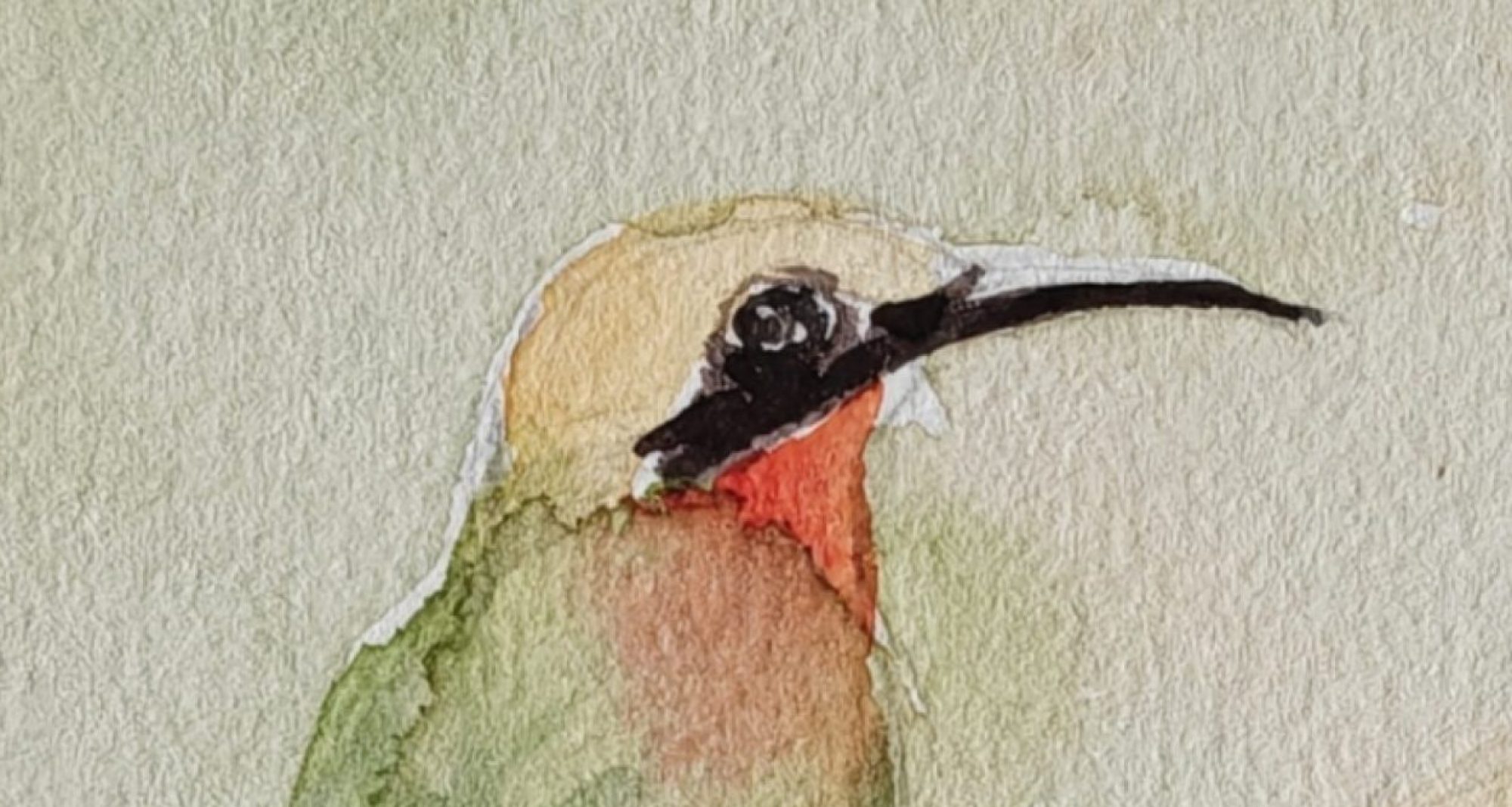
Featured photo: A girls ashram school, ITDA, Paderu
9-8-2026
Sir, your attempts to decentralize the education system and bring in meaningful community participation were truly visionary, but what is really important is how you tried to translate those ideas into practice through the school complex structure as facilitator and by strengthening the management capacity of headmasters through specialised training.
“పిల్లలు ఆశించిన నైపుణ్యాల్ని సాధిస్తున్నారా లేదా అన్నది తెలుసుకోవలసిన అవసరం డిప్యూటీ ఇనస్పెక్టర్ ఆఫ్ స్కూల్స్ కన్నా ఎక్కువగా పిల్లల తల్లిదండ్రులకే ఉంది”
అన్న ఆలోచనతో మాసాంత వేడుకలను నిర్వహించడం, పాఠశాల తన పనితీరు, పిల్లల హాజరు, అభ్యసన ఫలితాలను గ్రామ సమాజం ముందుంచడం ద్వారా community participationను social accountabilityగా మార్చే ప్రయత్నం నిజంగా గొప్పది.
It really feels like a one-of-a-kind practice. ఎక్కడా ఇలాంటి practice వున్నట్లు వినలేదు.
I sincerely hope these initiatives continued and that the schools and communities were able to reap their benefits. 🙏🏽
చాలా సంతోషం! హృదయపూర్వక ధన్యవాదాలు మాధవీ!